- posted: Jun. 04, 2025
Endoscopy is a minimally invasive medical procedure that allows healthcare providers to visualize the interior of the digestive tract using a flexible tube equipped with a camera and light source. Dr. Saeed Ahmed and Dr. Rajan Narula often use it at the Digestive Disease Associates of Central Florida, in Wesley Chapel. This procedure provides valuable insights into the health of your gastrointestinal system, so we want you to feel comfortable with it.
The Importance of Early Diagnosis
Early diagnosis of digestive disorders massively improves patient outcomes. Many gastrointestinal conditions, such as ulcers, inflammatory bowel disease, and cancers, can develop silently without obvious symptoms. By the time symptoms appear, the condition may have progressed, making treatment more complex and less effective.
Endoscopy provides direct visualization of the esophagus, stomach, and intestines, helping us identify abnormalities such as inflammation, bleeding, or tumors. Detecting these issues early leads to prompt treatment, reducing the risk of complications and improving the chances of successful recovery.
Common Conditions Diagnosed with Endoscopy
Endoscopy is used to diagnose many digestive disorders. Some common conditions that can be identified through this procedure at our Wesley Chapel, Florida, practice include:
- Gastroesophageal Reflux Disease (GERD): Endoscopy can help assess the severity of GERD and identify damage to the esophagus caused by acid reflux.
- Ulcers: The procedure can reveal the presence of ulcers in the stomach or duodenum.
- Inflammatory Bowel Disease (IBD): Conditions such as Crohn’s disease and ulcerative colitis can be diagnosed through endoscopy.
- Polyps and Cancer: Endoscopy can detect polyps in the colon, which may be precursors to colorectal cancer.
The Endoscopy Procedure
When you arrive at Digestive Disease Associates of Central Florida for your endoscopy, our team will ensure that you are comfortable and informed about the procedure. Before the endoscopy, you will receive instructions on dietary restrictions and any other necessary preparations.
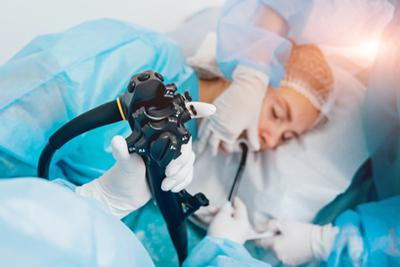
During the procedure, you will be given a sedative to help you relax. The endoscope will be gently inserted through the mouth or rectum, depending on the area being examined. The camera will transmit images to a monitor, allowing the physician to assess the digestive tract in real-time.
The procedure typically lasts between 15 to 30 minutes, and you can go home the same day. After the endoscopy, you may experience mild discomfort or bloating, but these symptoms usually resolve quickly.
What Happens Afterward
After the endoscopy, Dr. Saeed Ahmed or Dr. Rajan Narula will discuss the findings with you and recommend any necessary follow-up care. If abnormalities are detected, further testing or procedures may be required, such as biopsies to analyze tissue samples.
The results of the endoscopy can guide your treatment plan, whether it involves medication, lifestyle changes, or additional interventions. Our team provides personalized support throughout your journey to better digestive health.
Get an Endoscopy to Protect Your Health
Endoscopy is a valuable tool for diagnosing digestive disorders, allowing for timely intervention and improving patient outcomes. If you have concerns about your gastrointestinal health or would like to learn more about the endoscopy procedure, call Dr. Saeed Ahmed and Dr. Rajan Narula’s Wesley Chapel, Florida, office. You can reach the Digestive Disease Associates of Central Florida at (813) 994-4800.